Some people have a natural gift for telling amazing stories. Some of us, not so much. I fall into the latter category, and I need a lot of help to exercise this muscle of mine. This is where storytelling games like Story Line come into play.
If your family enjoys Apples to Apples, Cards Against Humanity, or Not Parent Approved, and if you also enjoy stories, then you will love this hilarious storytelling game! Players work together to craft stories on a framework, taking turns choosing their favorite card to add.
This post may contain affiliate links, meaning if you click on it and make a purchase I’ll receive a small commission at no cost to you. As an Amazon Associate, I earn from qualifying purchases. For more information, please check our Privacy Policy and Disclaimers and Disclosures.
Setting Up Story Line: Fairy Tales

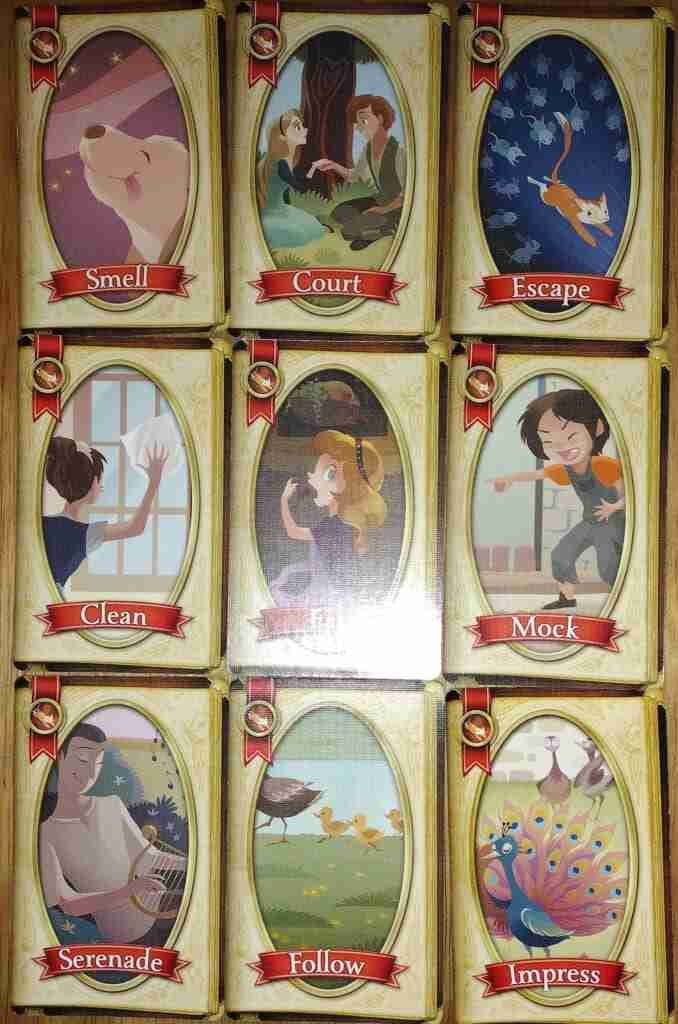
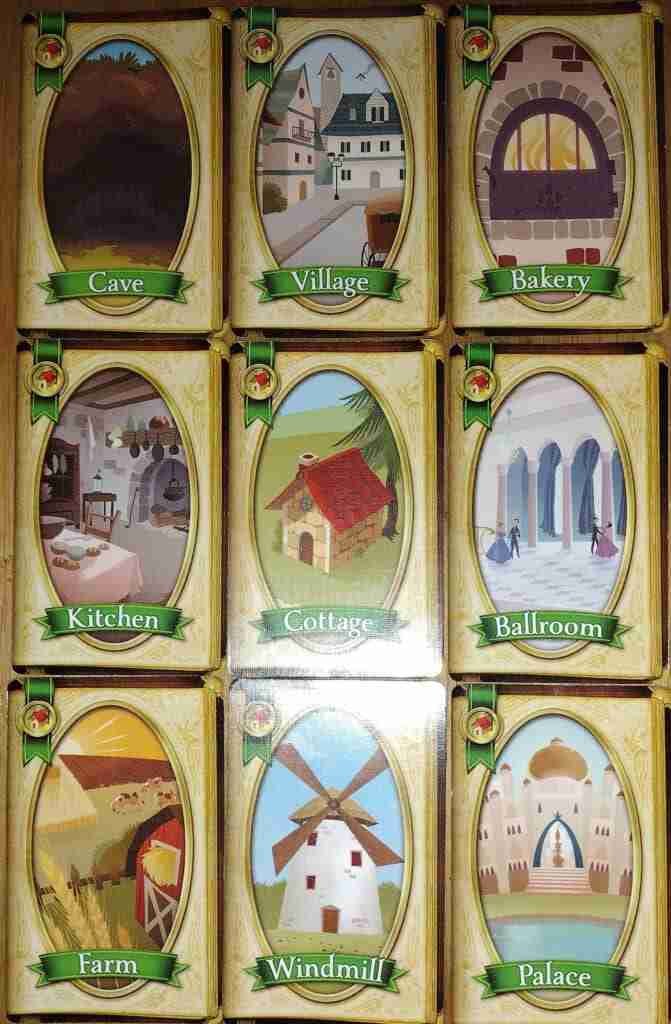
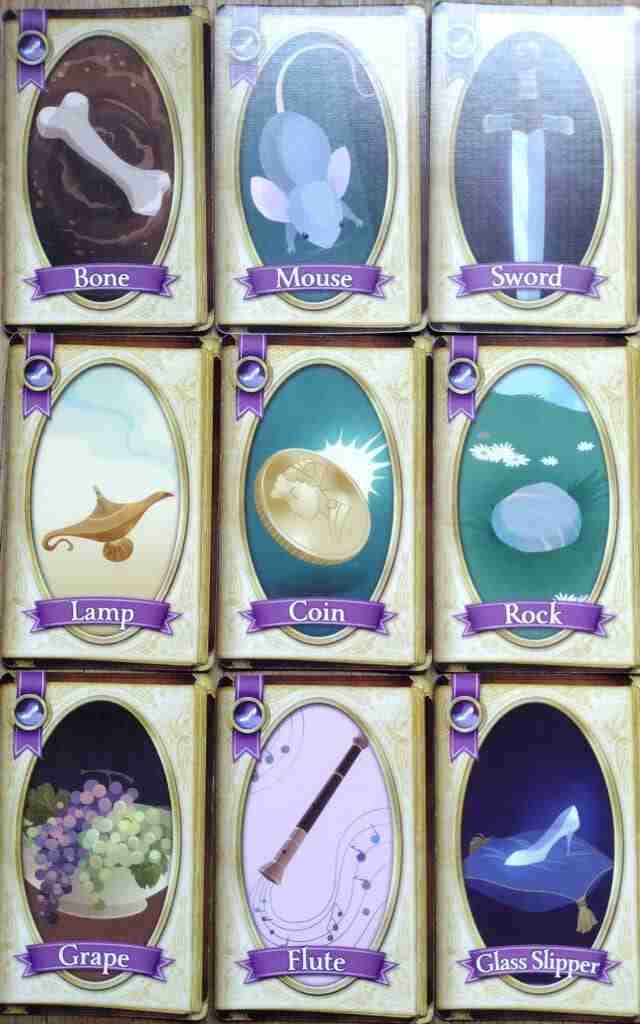
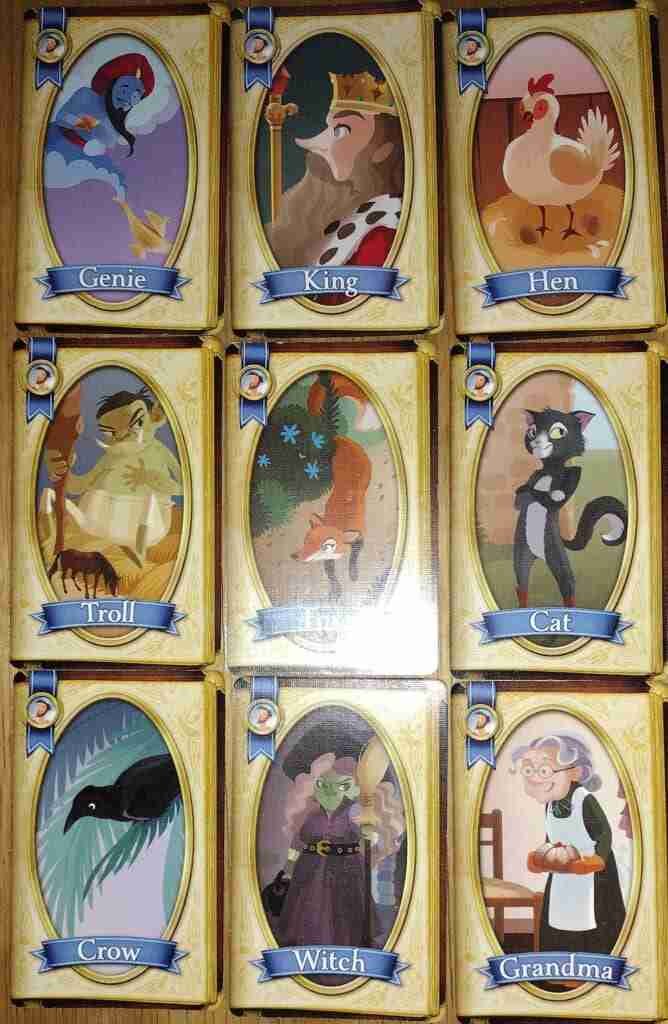
Story Line: Fairy Tales comes with two different storylines from which to choose. Each storyline contains 11 or 13 story cards, with all but the last requiring one or two cards to complete the page. These extra cards are characters, places, features, options, and actions.
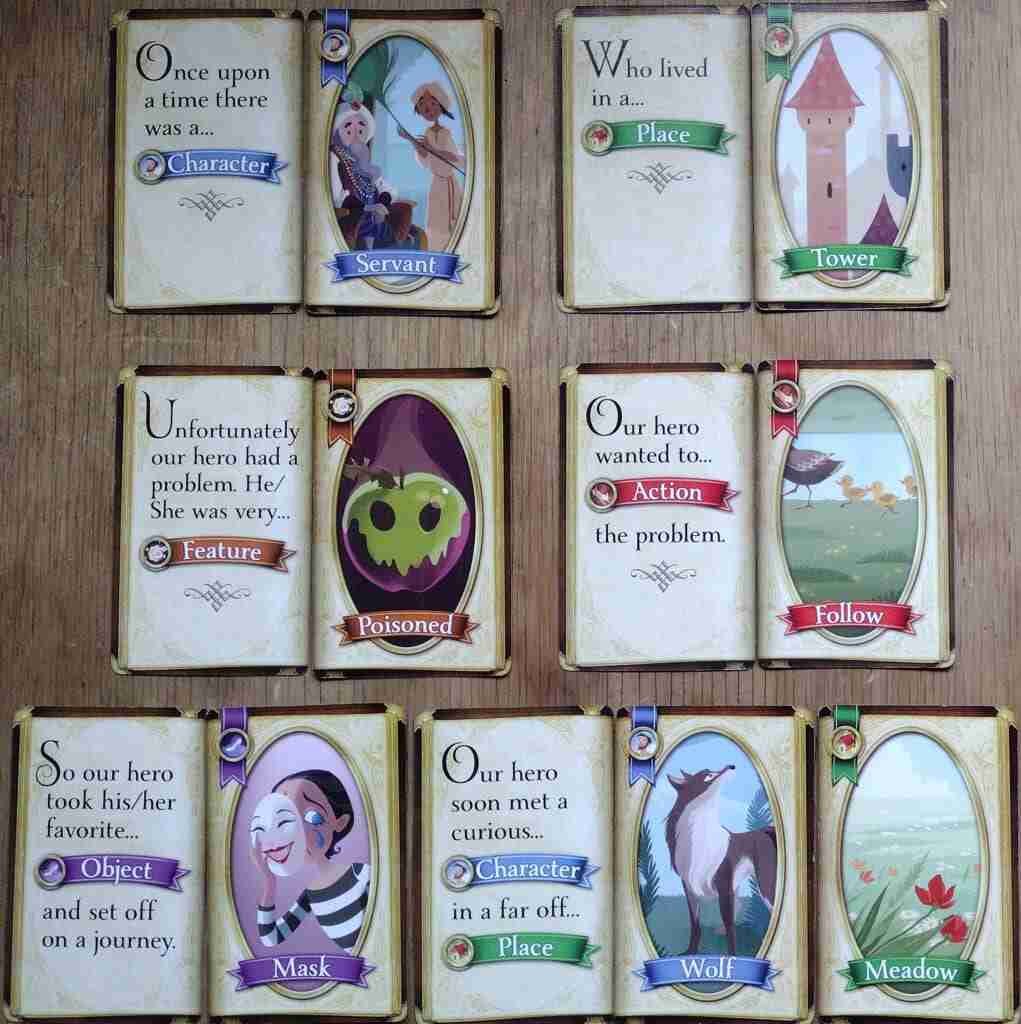
These cards are set up like pages of a book, with the storyline pages on the left side of the open book and the other card(s) as the page on the right-hand side.
There are also tokens; these are laid out in a pile, face down.
Playing the Game
To begin playing Story Line, choose the storyline you want to use. Every player is dealt one of each type: characters, places, features, options, and actions. Then the first storyline card is drawn and the first narrator is decided.
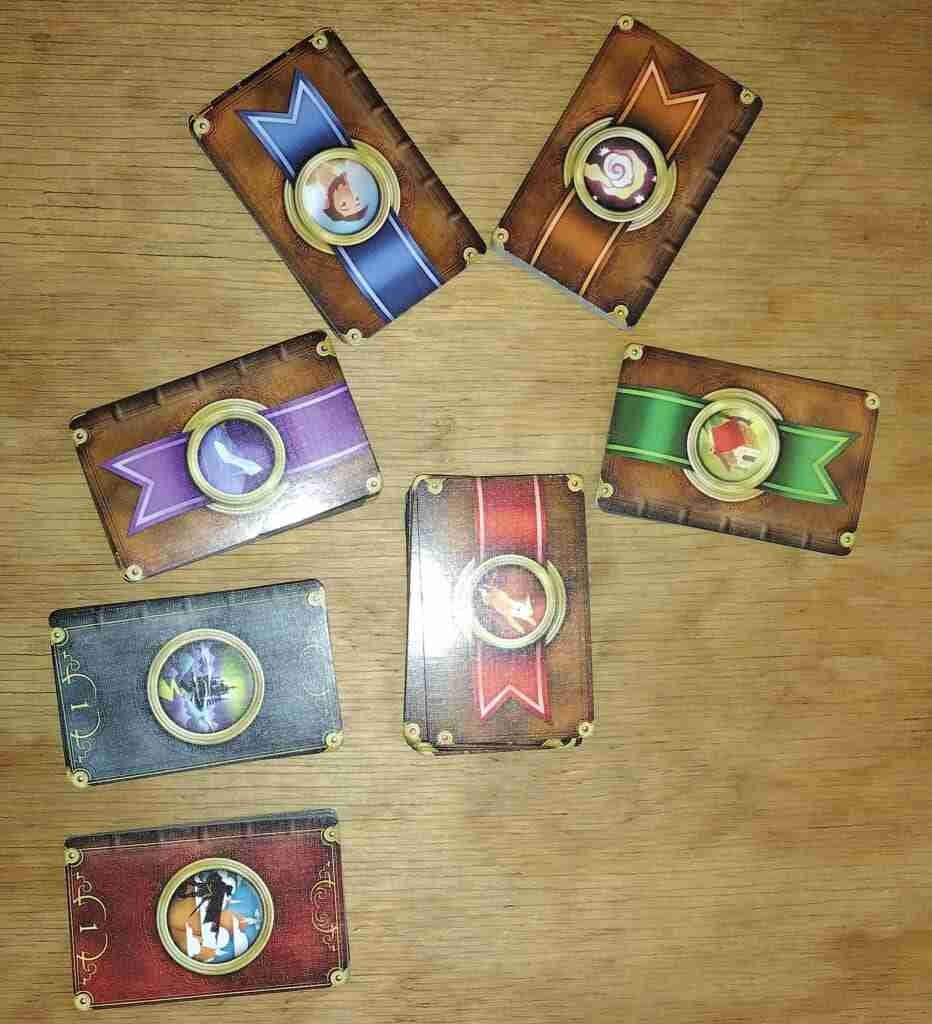
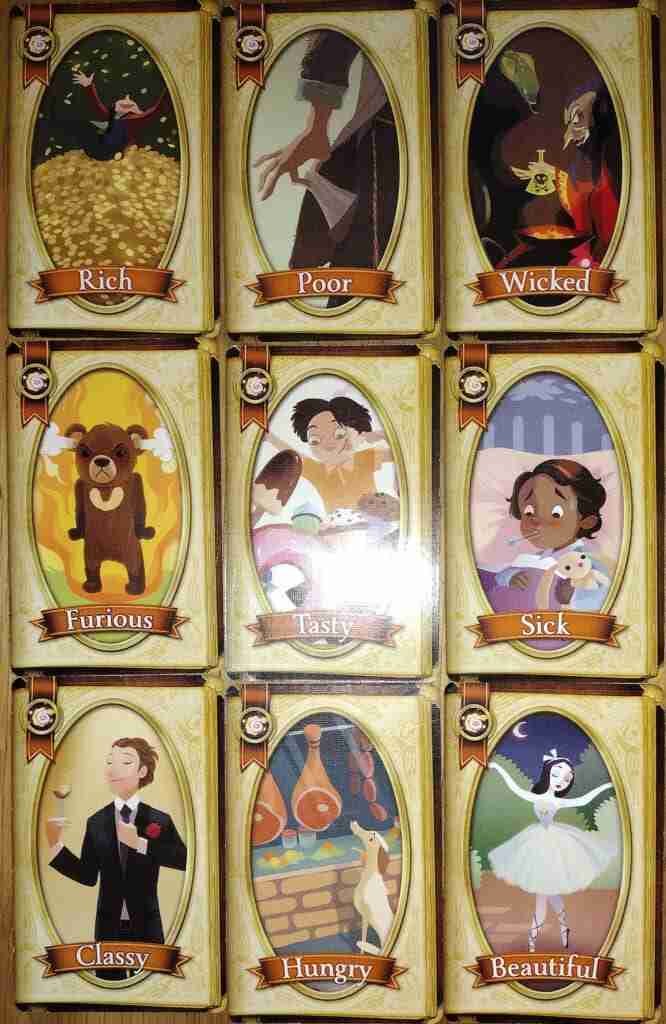
The narrator reads the first story card out loud, indicating which type of card(s) will be used. Every other player then grabs one more of each type of card used with that story card. Each player (who is not the narrator) then chooses one card for each type called for on the story card. The goal is to get your card chosen, so choose cards based on who the narrator is.
Finally, the narrator reveals each of the cards handed in, being sure to share all the laughs with everyone else. They should not know who gave which card, so they can’t play favorites based on people; they have to choose their favorite cards. They read the card with the chosen card(s) inserted as appropriate. Whoever provided the card(s) that was chosen gets to claim a token from the face-down pile.
At the end of the game, tokens are turned face up and resolved. Some are worth points, some require tokens to be removed from your winnings, some give you extra tokens, and some are not worth anything.
Is Story Lines Worth It?
My family loves Story Lines: Fairy Tales. It is a lot of fun to see what everyone else thinks would be the best cards to add to the story at different points. Additionally, it’s a nice mix of knowing your fellow players well and chance; you never know what tokens you’re claiming after your card is chosen. At the same time, it’s not entirely luck-based.
Story Lines: Fairy Tales is great for practicing storytelling skills. A good storyteller can embellish the story with additional details that can make it really good, but this isn’t required. Furthermore, the story can be written down to practice writing skills, and the game can be good motivation for kids who need more reading practice. (Though it’s definitely not for beginner readers; the cards are not designed to be phonetic or decodable.)
In addition to the Fairy Tales version, I have also seen a Spooky Tales version. Unfortunately, it seems as though neither one is currently being printed. If you can find it used though, I definitely recommend it as it’s a hit in our house!