BetaBotz is one of my son’s many favorite games. Robots, math, auctions, and challenges–what could be better?
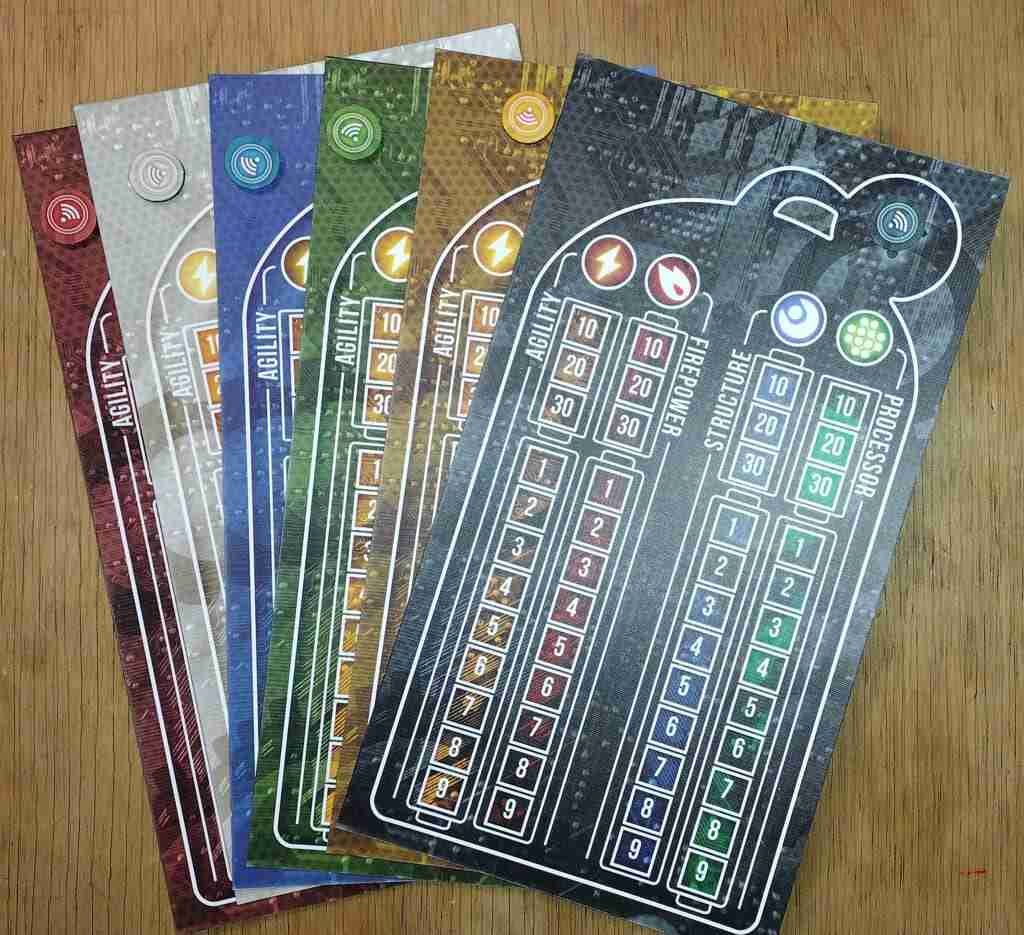
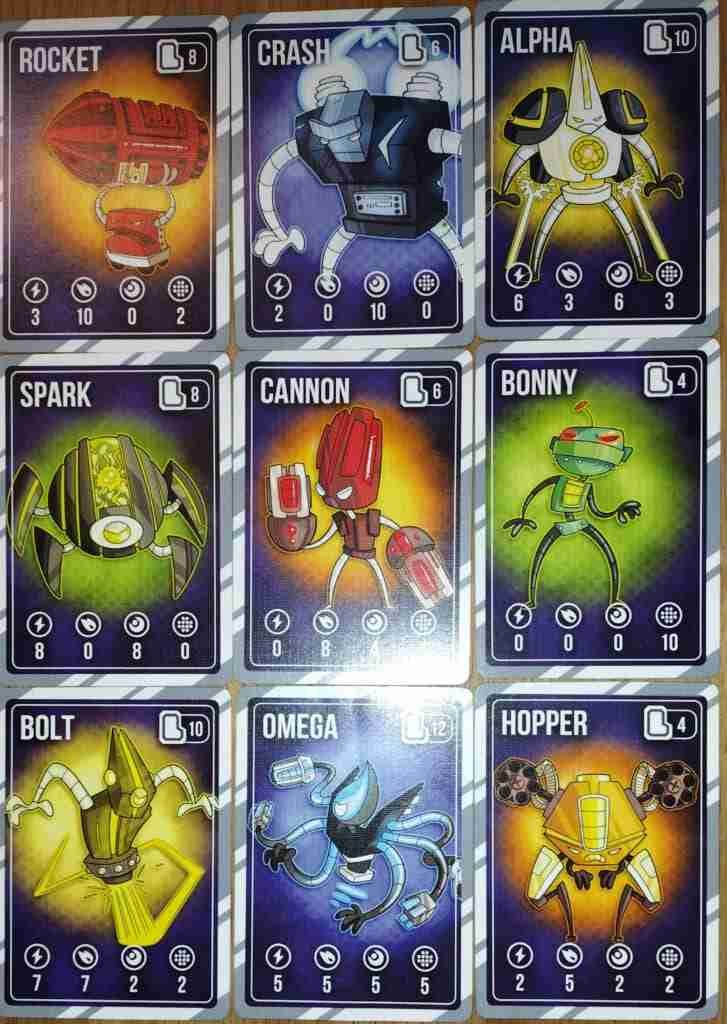
To begin, each player gets 3 Code Cards, 40 Bitz, 1 Player Board, 1 Bidding Marker, and 8 Attribute Value Markers. Phase 0 is when players get their Betabot cards. Place Betabot cards equal to the number of players (3-6) face up on the table. Going in turns, each player places their bid on their preferred bot.
This post may contain affiliate links, meaning if you click on it and make a purchase I’ll receive a small commission at no cost to you. As an Amazon Associate, I earn from qualifying purchases. For more information, please check our Privacy Policy and Disclaimers and Disclosures.
Bidding in BetaBotz
When bidding in BetaBotz, you may outbid another player, at which point they take back their bid. When their turn comes around again, they can place a different bid or outbid you. Each player may only have one active bid at a time.
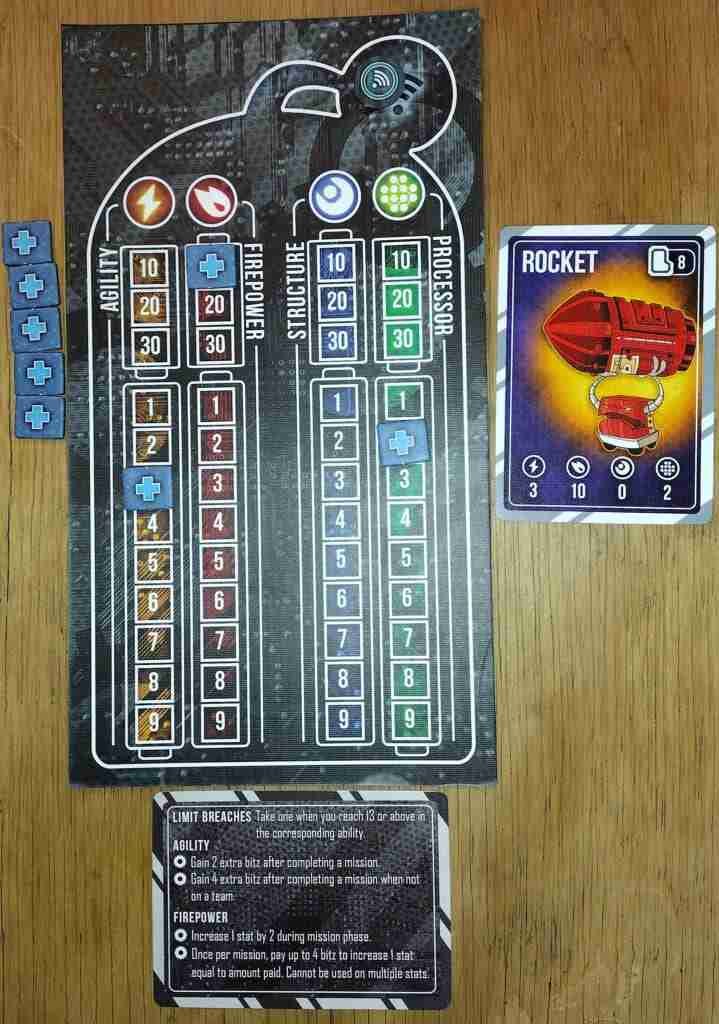
This bot has agility of 3, firepower of 10, no structure, and a processor of 2.
The bits are used for bidding for Betabot cards (required) and components (optional, but ultimately required to win the game). However, they’re also what determines the winner, so be careful with your bids so that you don’t start out bidding too high.
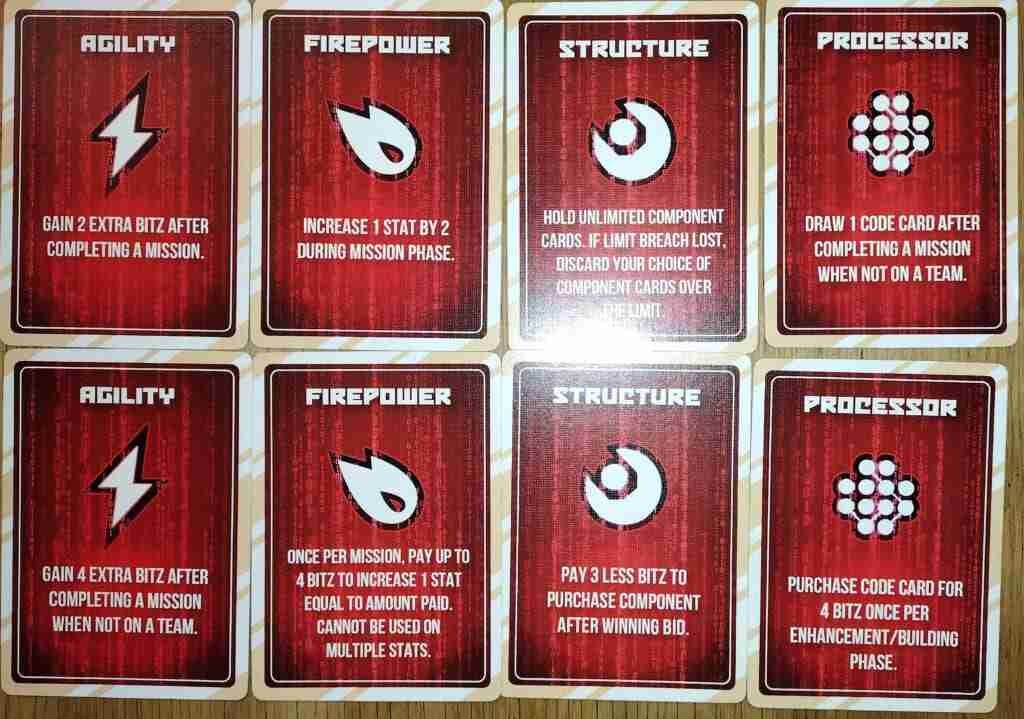
Each of the bots and the components have different attributes, or stats: Agility, Firepower, Structure, and Processor.
With 2 components, this bot now has an agility score of 6, firepower of 12, still no structure (yikes!), and a processor score of 6.

Acquiring Components
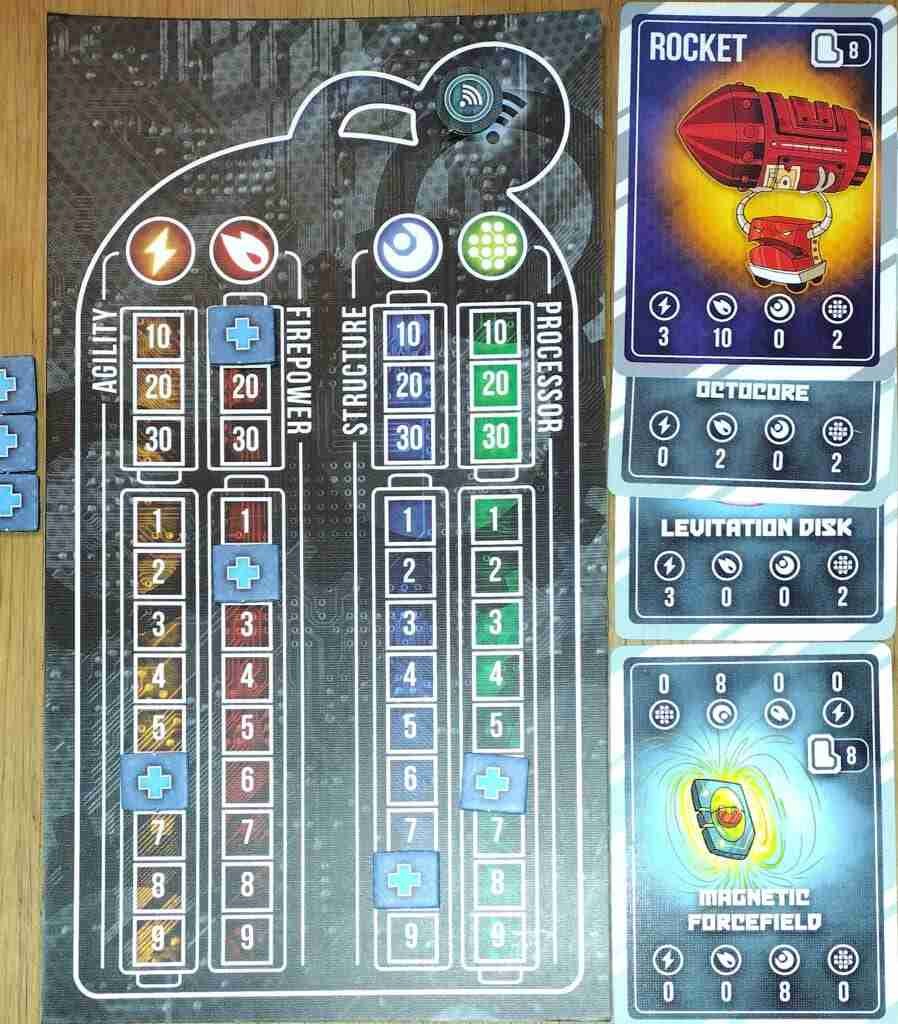
After acquiring Betabot cards, players enter Phase 1: the Enhancement and Building Phase. Players may either bid on a component or draw 1 code card. Only one component card less than the number of players is put out for bidding, so each round, 1 player will have to get a code card instead of a component.
After adding another component, our bot now has a structural score of 8.
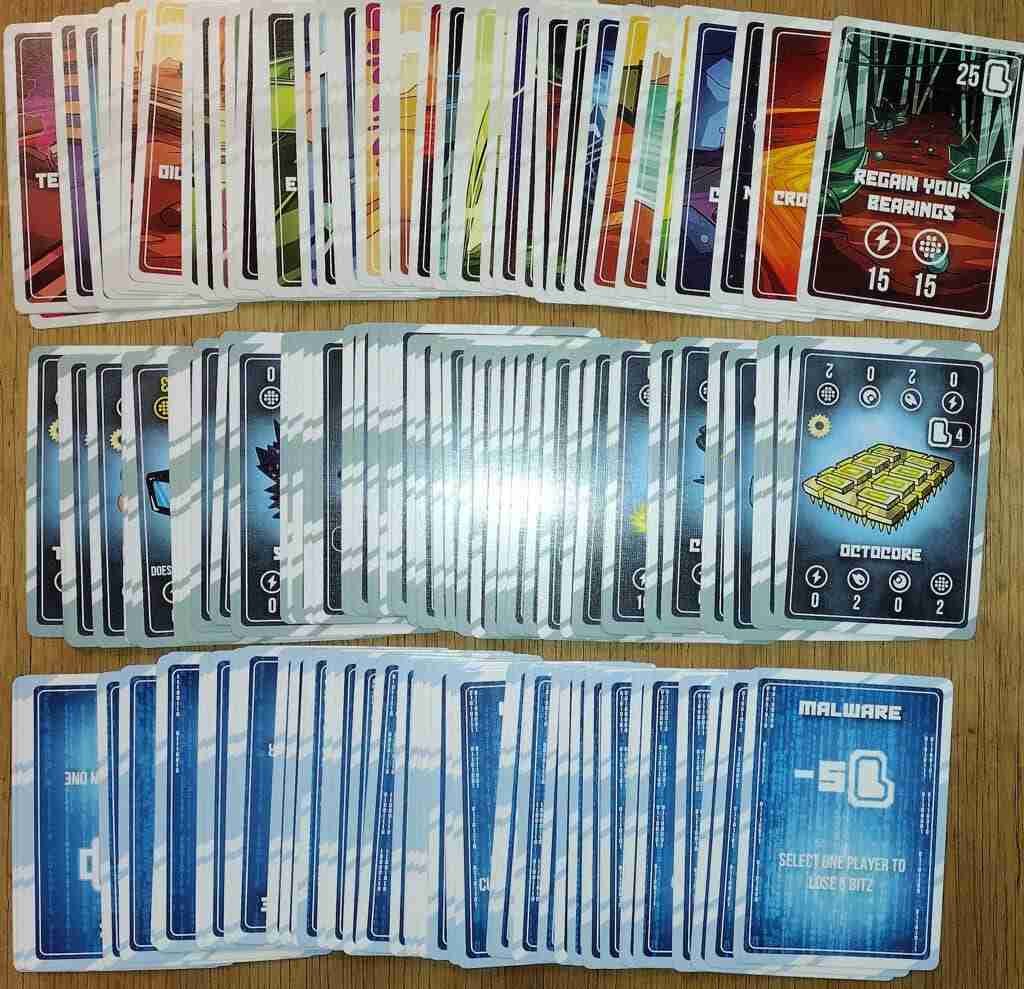
Phase 2 is the Mission Phase. The next Mission Card is drawn and players attempt to beat it. Each mission requires different attributes, and these are determined by the Betabot cards, components, and some code cards can temporarily impact stats. Players may also choose to team up to beat a mission together. This is where the math comes in.
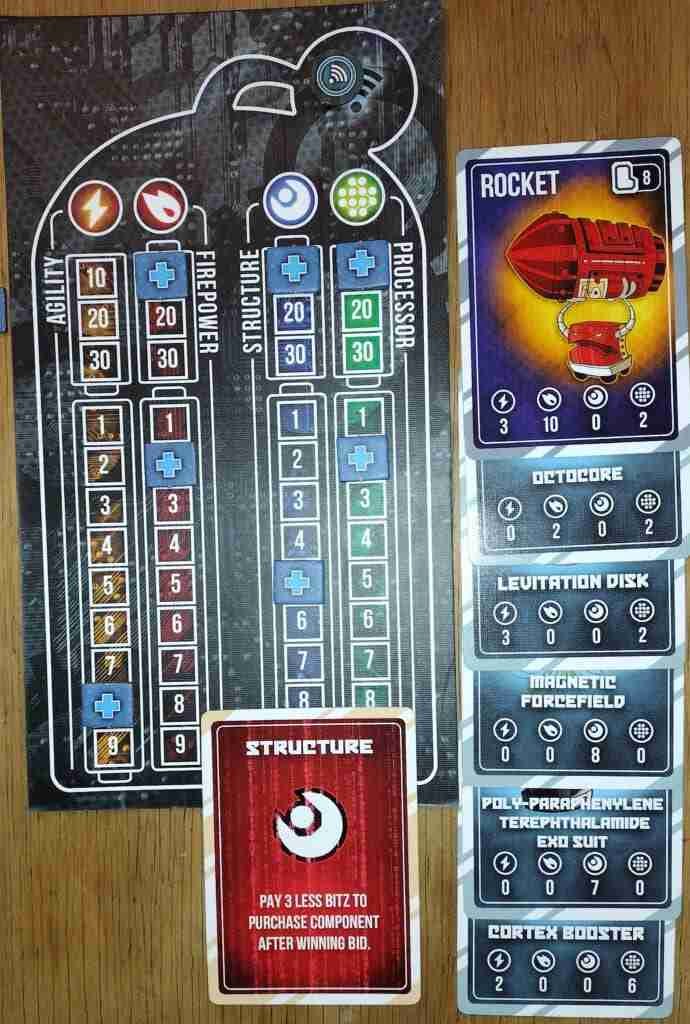
With the addition of another two component cards, our bot is now up to 8 for agility, firepower is still at 12, but structure is all the way up to 15, and his processor has a score of 12. Since our bot has a structure score over 12, he gains the structure limit breach card.
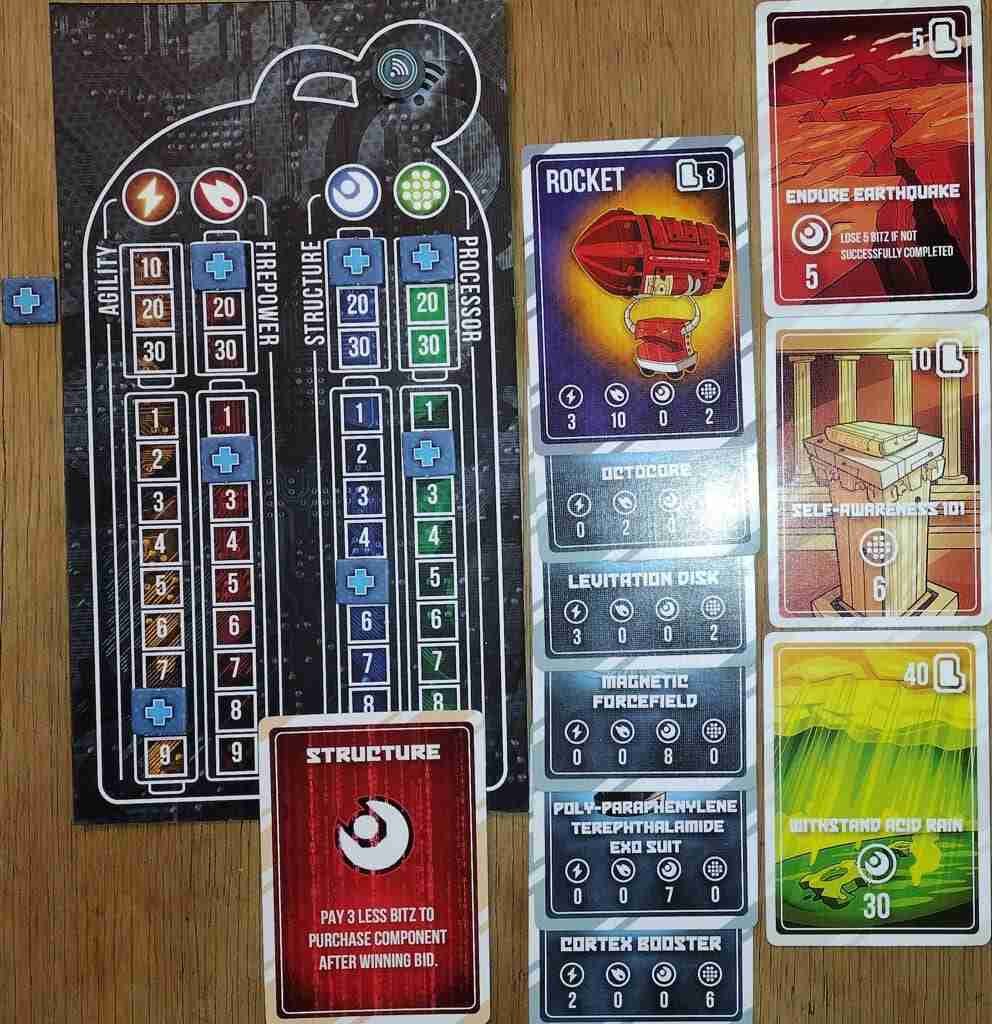
Beating a mission awards bits and failing a mission usually costs the player bits, so it’s good to do your best to maximize your stats.
The game alternates between Phase 1 and Phase 2 until the end of the game. Only 5 components may be equipped at a time (but they can be removed during any Phase 1 if you win a better component), but there are 10 missions in each game.
With his current high stats (and sometimes help from fellow bots), our bot beats these missions and gains the bit rewards.
BetaBotz is Very Replayable!
There are more Betabot cards, components, code cards, and missions than you will use in one game, so there is ample replayability. Overall, we really enjoy BetaBotz. It can take a bit of time to play but it’s well worth it.