Everyone knows the classic game of Monopoly, right? But do you know how to play it without destroying relationships? How about its educational value? Do you know the history of Monopoly?
This post may contain affiliate links, meaning if you click on it and make a purchase I’ll receive a small commission at no cost to you. As an Amazon Associate, I earn from qualifying purchases. For more information, please check our Privacy Policy and Disclaimers and Disclosures.
How to play Monopoly without destroying relationships
Monopoly is one of those games that tends to destroy relationships. I get it. You’re committed to the game; you want to do well. But when we sit down to play a board game, my family wants to have fun, and we want the gaming experience to help bring us closer as a family. Not make us all hate each other.
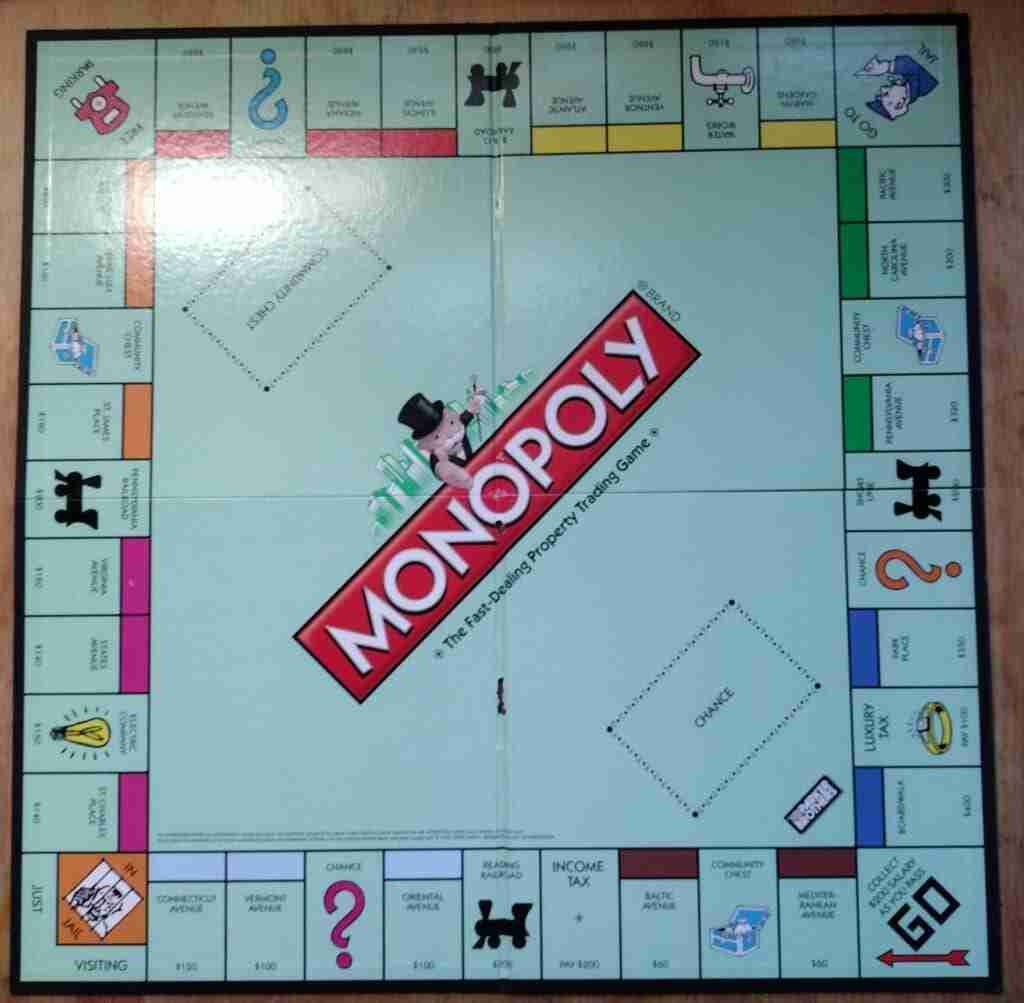
So, that’s the first step – approach the game with the goal of having a good time. It’s no longer about winning, it’s about bonding with your kids or having a good time with your spouse. Your relationship is more important than the game.
Next, we don’t keep score. We just don’t worry about that. We also don’t play to the end. When any one of us is done playing, they’re free to go, and no one is held hostage to the game. After all, we can always play another game – if we still like each other.
When enough people are done playing (when it gets down to just two players; it’s not a game we enjoy as a two-player game), we just pack up. No counting up of money, no tallying up properties. We just pack up.
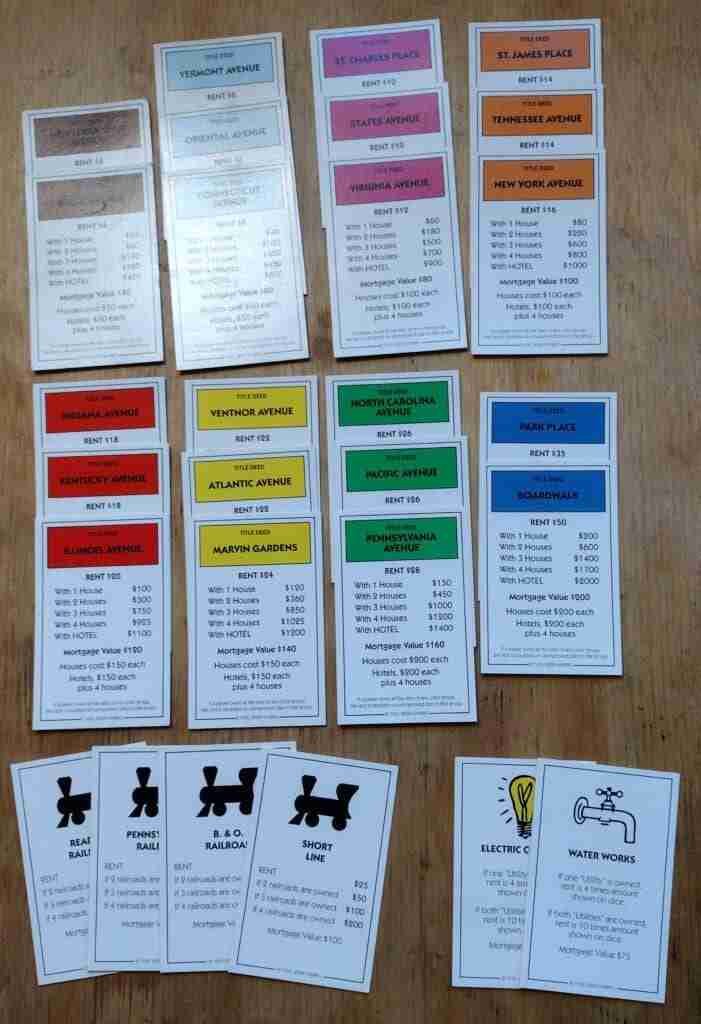
Educational benefits of Monopoly
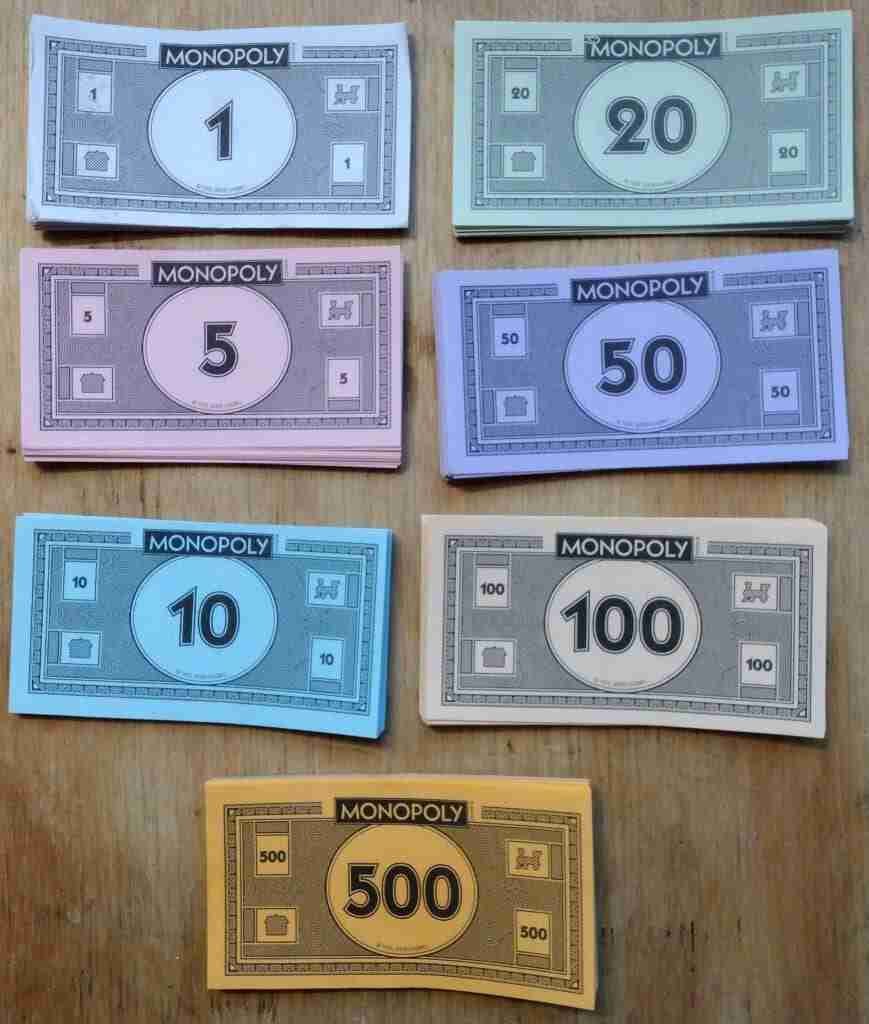
Monopoly is a great game for learning about money. Granted, not counting up our money and tallying our properties at the end of the game does reduce the educational component, but our relationships are more important. That’s right, I said it. I prioritize relationships over education. My kids can always learn more later in life, but if they hate my guts that’s game over for our relationship.
Monopoly also has some strategy to it – do you buy that property, or do you save your money for when you land on someone else’s property? Do you build that house or hotel? How much is that property that went to auction really worth? These are all questions that we need to answer constantly, so Monopoly is more than just a game to learn about money.
Monopoly’s history
Monopoly’s history is an intriguing one. Most don’t know that it was created by a woman, or that it was actually created to show the downfalls of our capitalist society.
In 1903, Lizzie Magie created The Landlord’s Game in an attempt to teach others that individuals are more important than mass conglomerate monopolies. The Landlord’s Game was designed with two rule sets. One had a taxation rule to help even out the wealth, and the other did not. Charles Darrow used the version that did not tax the wealthy to create Monopoly in 1935. Parker Brothers bought the copyright from Charles Darrow, and when they learned he wasn’t the original creator, they bought the rights from Lizzie Magie, too.


So, there you have it – the number of people who hate the game Monopoly proves that Lizzie Magie was right. Unfortunately, our current society is also proving she was right, so we didn’t learn from her game. But, by modifying your expectations and intentions, it’s not too hard to enjoy playing the game.