Does your family love Clue, but you want something more? Do you love crime shows, whodunnits, and mysteries? Then you need to check out Alibi!
The makers of Alibi seem to have gotten the message that the boards in whodunnit games detract from gameplay. (Actually, funny story: We were getting ready to playtest Alibi and my son didn’t want to play because he insisted it was missing a board! It took having him read the directions and parts of the game for him to admit there was no board.)
This post may contain affiliate links, meaning if you click on it and make a purchase, I’ll receive a small commission at no cost to you. As an Amazon Associate, I earn from qualifying purchases. For more information, please check our Privacy Policyand Disclaimers and Disclosures.
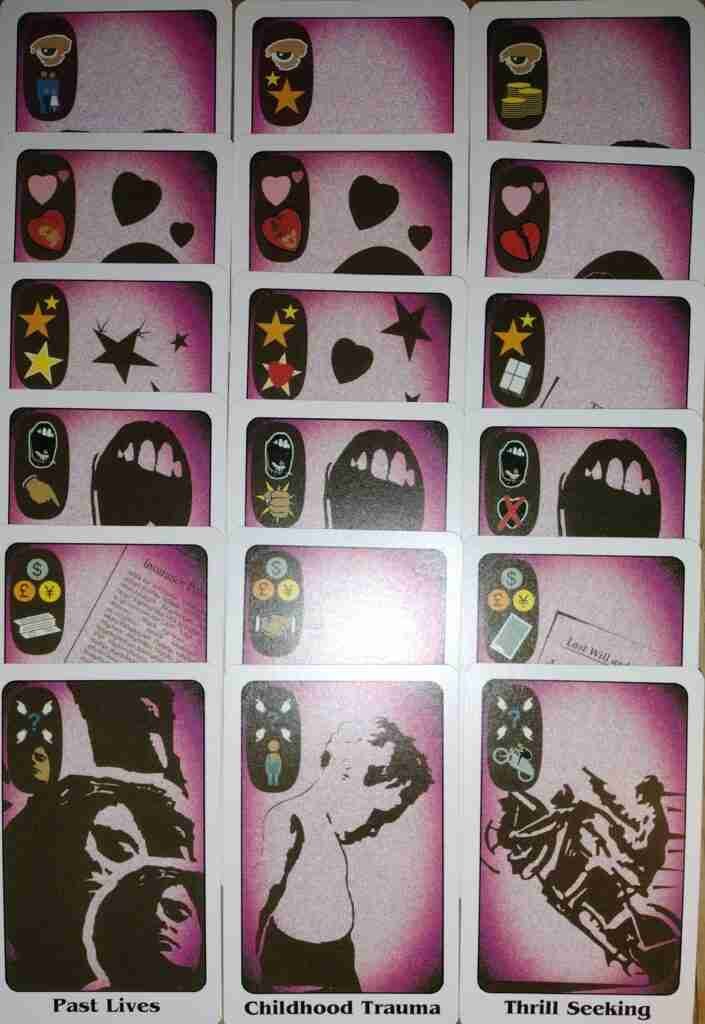
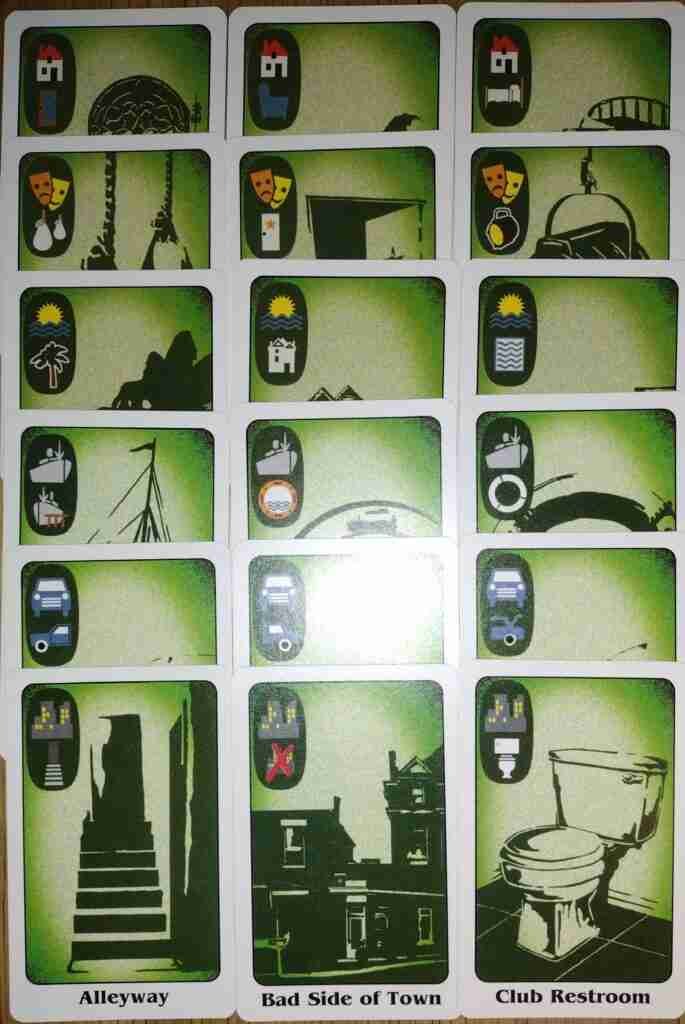
Cards in Alibi
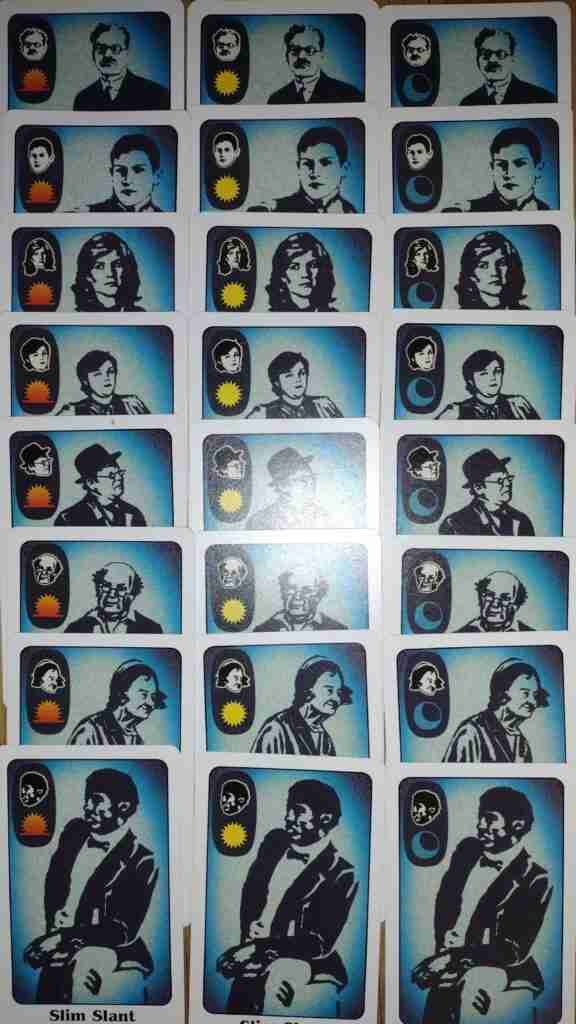
So, it’s a card game. There are 4 types of cards: suspect, location/place, weapon, and emotion (motivation). Start with the cards separated by type but shuffled within their decks so you can remove one random card of each type. Place these 4 cards into the box without looking at them; these are the cards you’re trying to guess.
Shuffle the rest of the cards together in one big deck and deal all the cards out. This will mean that everyone will start with a LOT of cards. Begin by marking off all the cards you have in your hand on your notes sheet. Players take turns asking questions
- On your turn, you ask one specific person one specific question.
- The answer of your question must be a number.
- Examples: How many Home cards have you seen? How many Andy Anderson cards do you have?
After each turn, all players pass one or more cards to the left. The number of cards is determined by what round it is (first round, pass 1 card; second round, pass 2 cards, etc).
At any time, a player may “meld” cards by taking three cards from the same group (like Jealousy or Fake Accident) and revealing or announcing them. They’re placed face-up on the table and give points on the first three rounds. These remove cards from your hand but also reveal them to everyone else.
Finishing the Game and Scoring
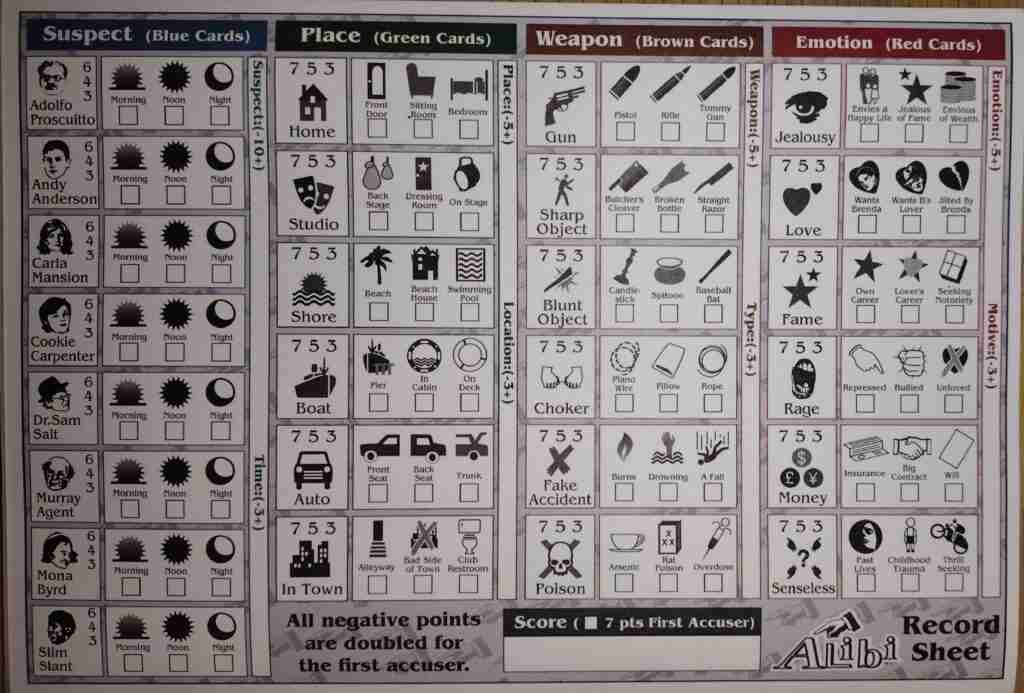
There are 8 total spaces to be filled out on each record sheet. There are 8 possible suspects and three times of day for each, for a total of 24 suspect cards. Each of the rest (place, weapon, and emotion) have 6 groups of 3 cards. For example, there are 3 Home cards: Front Door, Sitting Room, and Bedroom. Each type has 3 points for the group and 5 points for the exact card (10 points for the correct suspect).
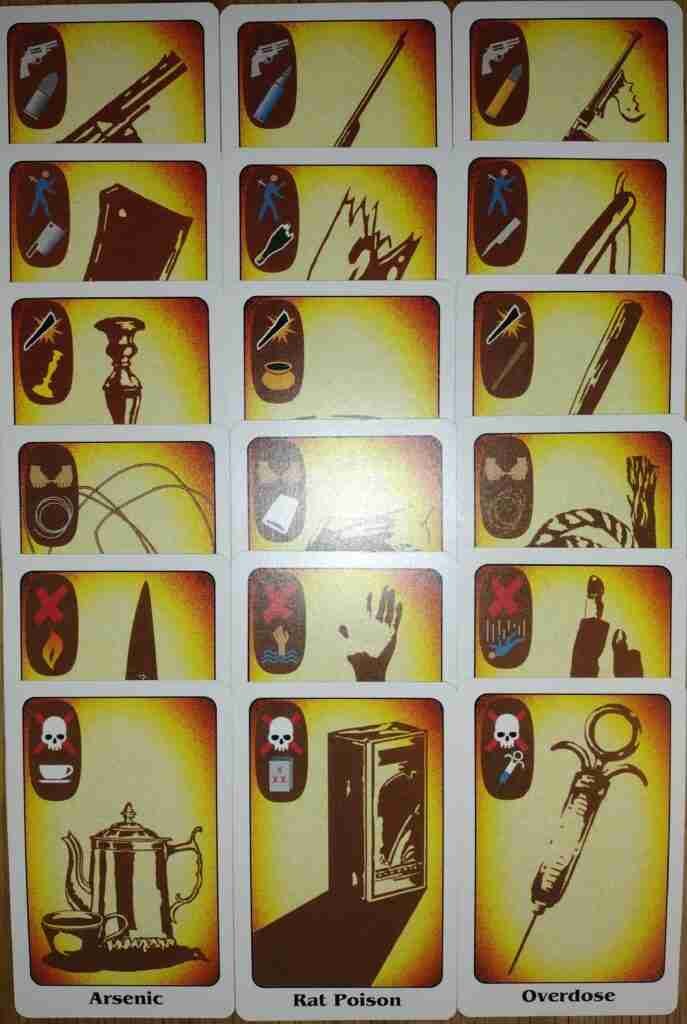
When you know the suspect and at least 3 other spots on your record sheet (so it could be either the exact card or just the group), you can make an accusation. However, it has to be on your turn and instead of asking a question.
When the first accusation is made, the game is immediately over and all players record what they are comfortable with in each slot. The only player who has to have a certain number of slots recorded is the first accuser; all others can leave as many blank as they need to.
Once everyone has finished making their guesses, reveal the cards from the box and score your guesses. Correct guesses get positive points while incorrect guesses get negative points (blanks are worth 0 points). The first accuser gets an extra 7 points but takes double negative points for every incorrect guess. Whoever has the most points wins.
Alibi is my Favorite Whodunnit Game!
I think Alibi is my favorite whodunnit game. It has replayability like Clue, but improves on Clue, 221B Baker Street, and the CSI game by removing the board. There is strategy in deciding which cards to pass versus hold on to, what questions to ask, whether to meld cards, and when to make an accusation. If you’re looking for something a step up from Clue, Alibi is definitely it!